
Introduction
I was grateful to watch the live streamed event that took place in Barnett Theatre in Sullivan Hall on the campus of The Ohio State University on February 17th where the couple Orlando Hunter-Valentine and Ricarrdo Hunter-Valentine are 3rd year students in the Master of Fine Arts (MFA) Dance Program. I guess I’m late to the party but is this a thing? Are MFA thesis concerts live streamed now? I guess when you have celebrity status and you’re “the 2020 Bessies Honoree…” (https://www.bhooddance.com/new-page-82) they are!
Though I would have loved to see the show live and participate in the interactive experience, I was happy to sit in the comfort of my home, in my pajamas watching the performance being streamed on YouTube. I hear that there was going to be some of Orlando's ‘“Fierce Love Fried Corn”…[served pre show and that there was also a] digitally led ‘Ekonkon’ dance which originates from the Jola people of Senegal and is associated with harvest time…” (Burt 2024) taking place.
The Hunter-Valentine collaboration offers a lot of firsts (can’t get into it here) but let’s start with the term that they coined “D.A.T.”. “D.A.T is an intersectional praxis that embodies stories about the earth through the African diasporic movement, transferring embodied agriculture knowledge and generating innovative, technologically immersive environments” (Hunter and Valentine 2023). Simply, the work addresses Black farmers life experiences through dance, agriculture, and technology (D.A.T.). “Black on Earth” centers the stories of Black famers and educates the viewer on the challenges that they endure ranging from racism, lack of access, gender politics, and a host of other inequities. The project also builds off their experiences with dance and agriculture as residents in New York City “Thinking of the ways that Black people have created resilience and sustained ourselves through farming and agricultural practices…” (Burt 2024).
The Hunter-Valentine's embark on this journey of storytelling through interdisciplinary arts which features dance, theater, photography, singing, sculpture, agriculture, music and ecomemory which is “collective and individual memory of the earth and relationship to and with the earth” (Harris 2021, 28). This concept is based within ecowomanism which is a framework “…that signals the importance of developing an interdisciplinary approach and method to doing environmental justice work” (Harris 2021, 9). This is the philosophy which grounds their work.
The Dance
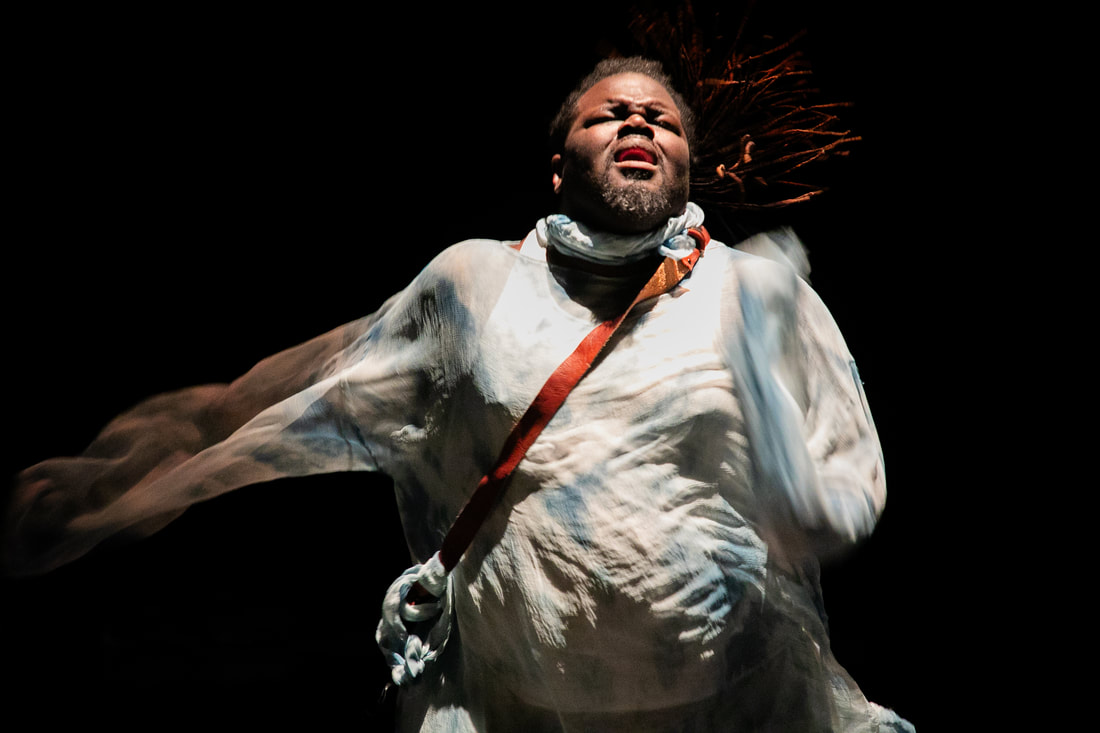
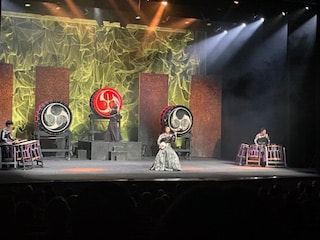
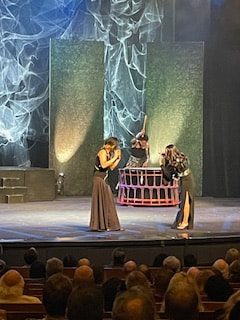
As audience members entered the space physically or virtually, we witnessed a man seated next to a steel bucket stage right, dressed in white, flailing his hands. The draping white sleeves of his shirt offered various interpretations. Was he cleansing the space, fanning himself, or conjuring the ancestors? He wore a cross body bag. Is he going to plant seeds? He engages with the bucket reaching in to touch the water. There is also reverence, spirituality, and worship. The sounds of roosters, cows, birds chirping, and various other animals on a farm along with distorted and echoing sounds of water creating melodies permeating the space. This is evidence of the collaboration with haptic and immersive audio design technician Jessica Rajko.
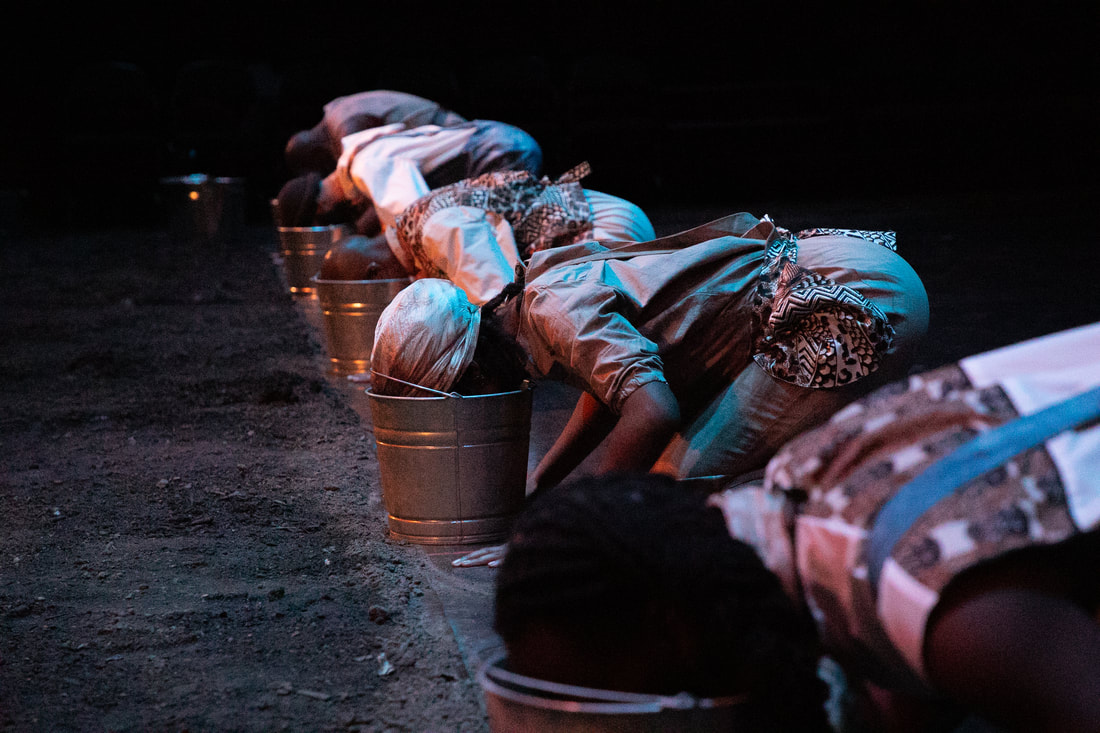
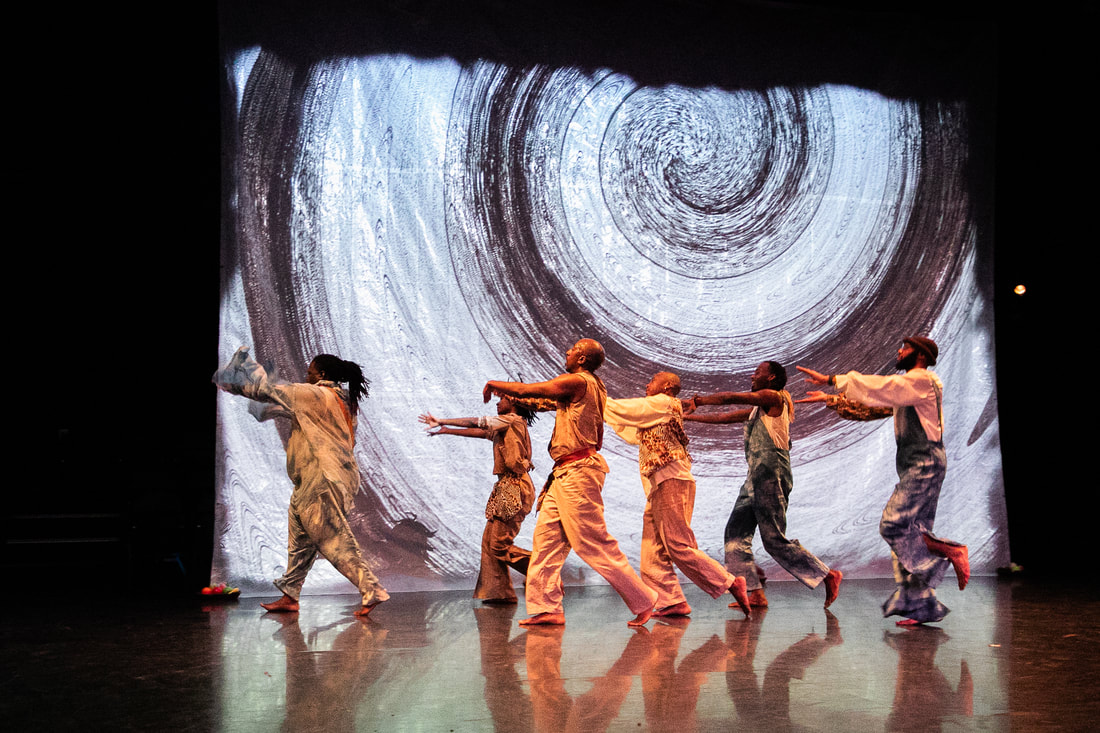
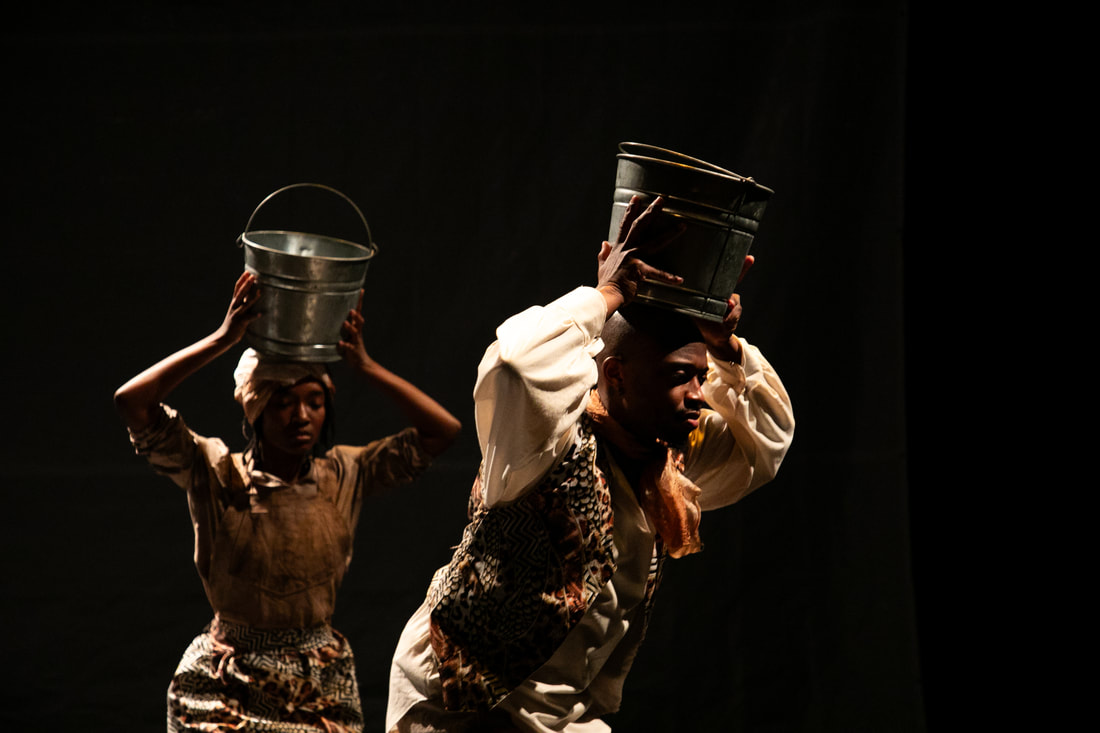
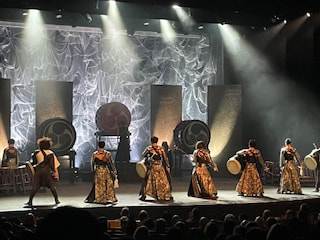
The ancestor/mediator/interlocutor is cued. He departs, and the ensemble enters dressed for the fields with their own buckets, forming a diagonal line from upstage right to downstage left. Two dancers are holding a sculpture of a tree limb that hovers over them like a hut. The ensemble begins a dialogue of thanks, “thank you for these tools.” Then they begin a call and response singing “thank you for these hands, these healing hands.”
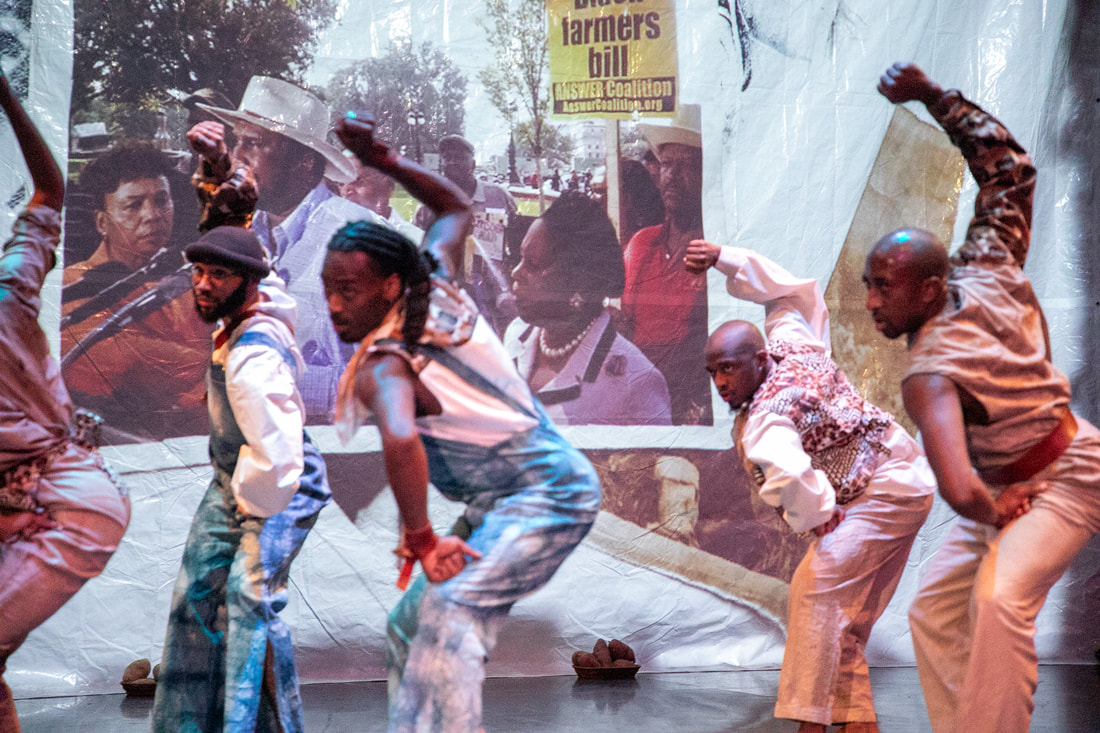
Interspersed between the movement are very poignant excerpts of interviews projected on the screen of the various farmers that were interviewed. There were also monologues performed by the dancers addressing pertinent themes. Some of the text sound is distorted and I struggled to hear what the interviewees and the dancers were saying. I am sure this was a streaming/technical issue; it did not take away from the performance.
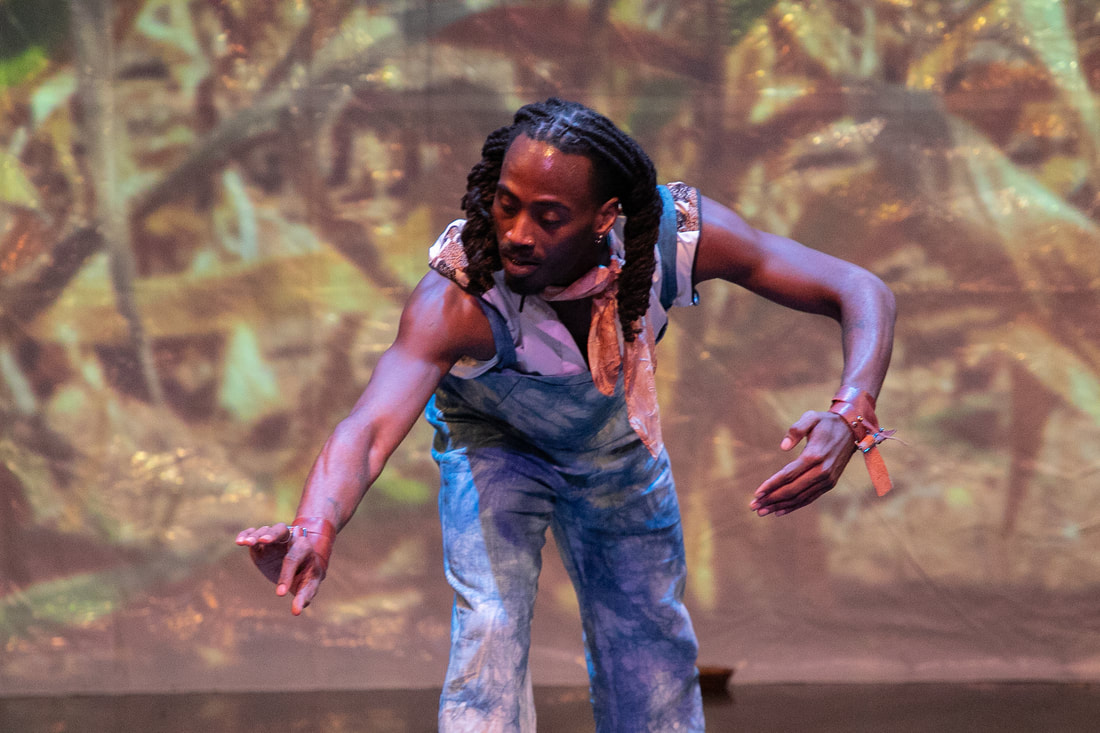
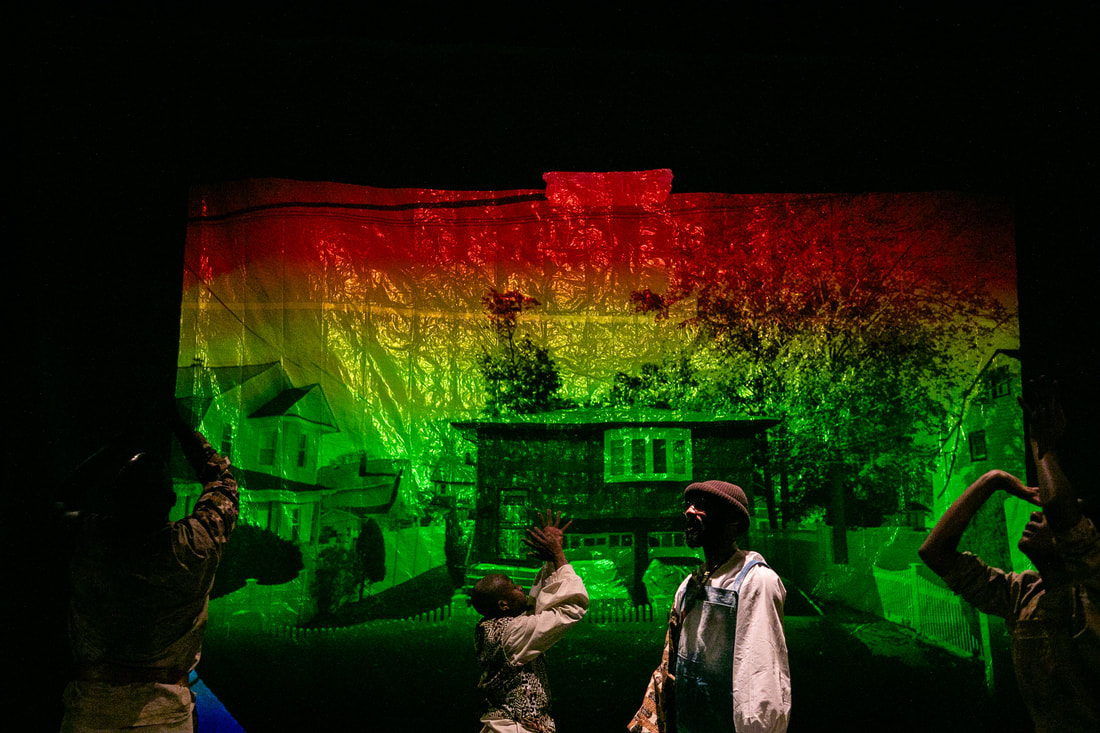
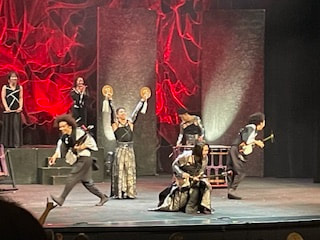
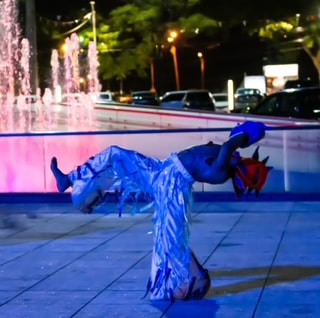
Images used in the work were taken by Ricardo and are just as intricate and vital to the piece. He captures distortions and abstractions of the fields and farms. Rich shades of greens and blues morph into various designs that mimic stencil art designs, sometimes reminding me of 70’s psychedelic art.
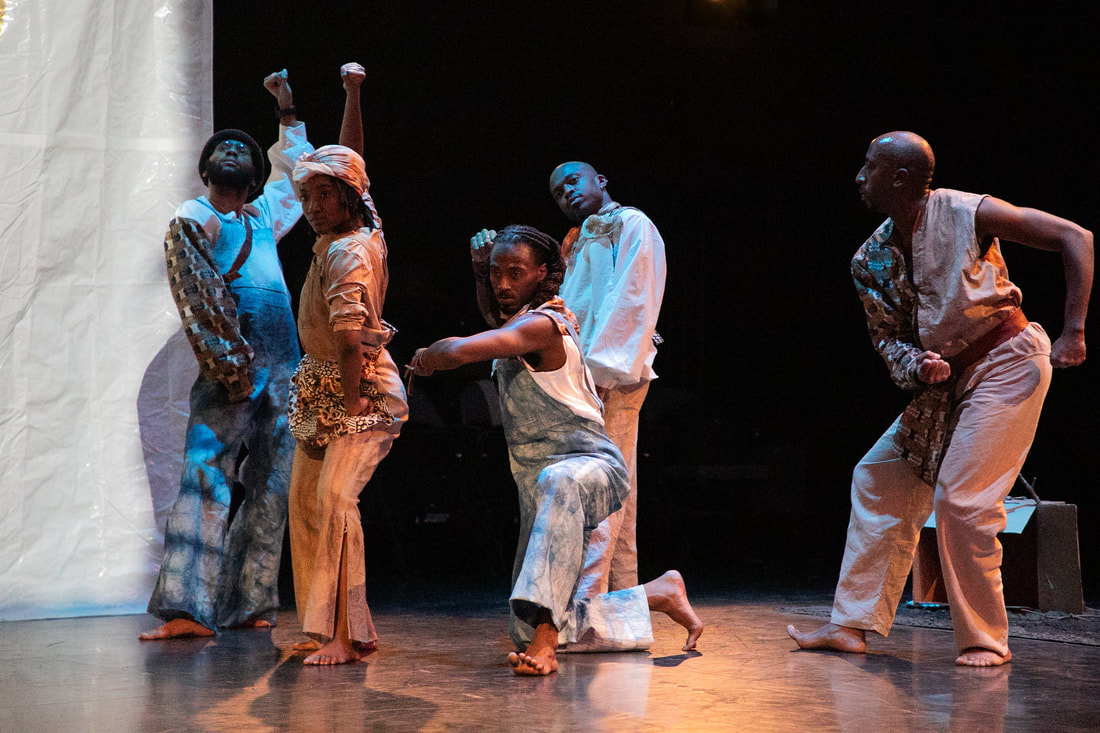
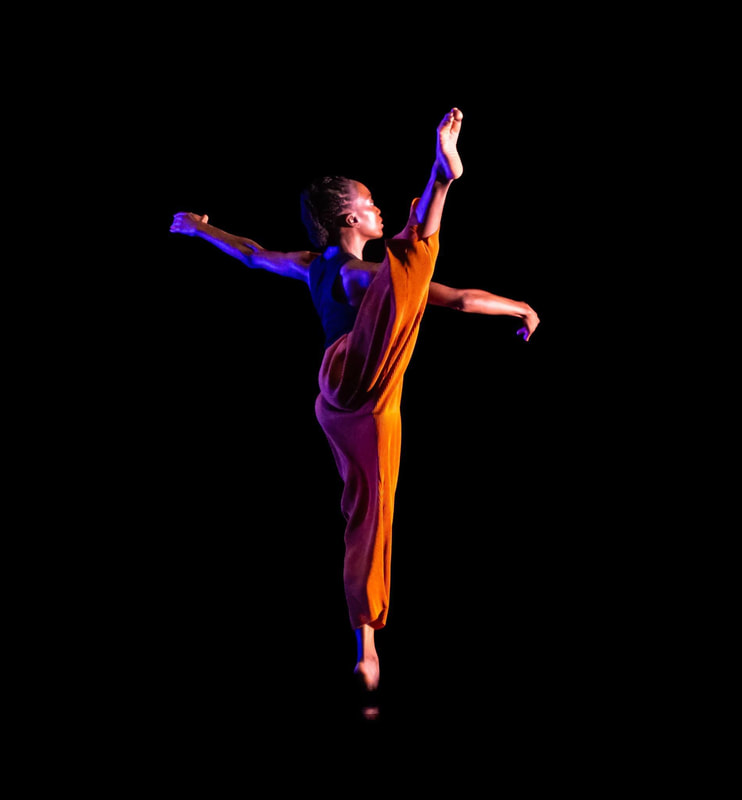
The movement vocabulary included gestures of sowing and planting; the most familiar image was the visual of the dancers holding the buckets on their heads which is a familiar image in marketplaces and rural towns and countries in the African Diaspora. There was a very clear demonstration of various movement techniques and aesthetics such as ‘Yorchha*,’ ‘Ekonkon**’ dance, “Chiwara***, Mayí****, …amongst others, as motifs through lining ancestral agricultural wisdom held in the body” (Hunter and Valentine 2023), Black social dance and Western contemporary.
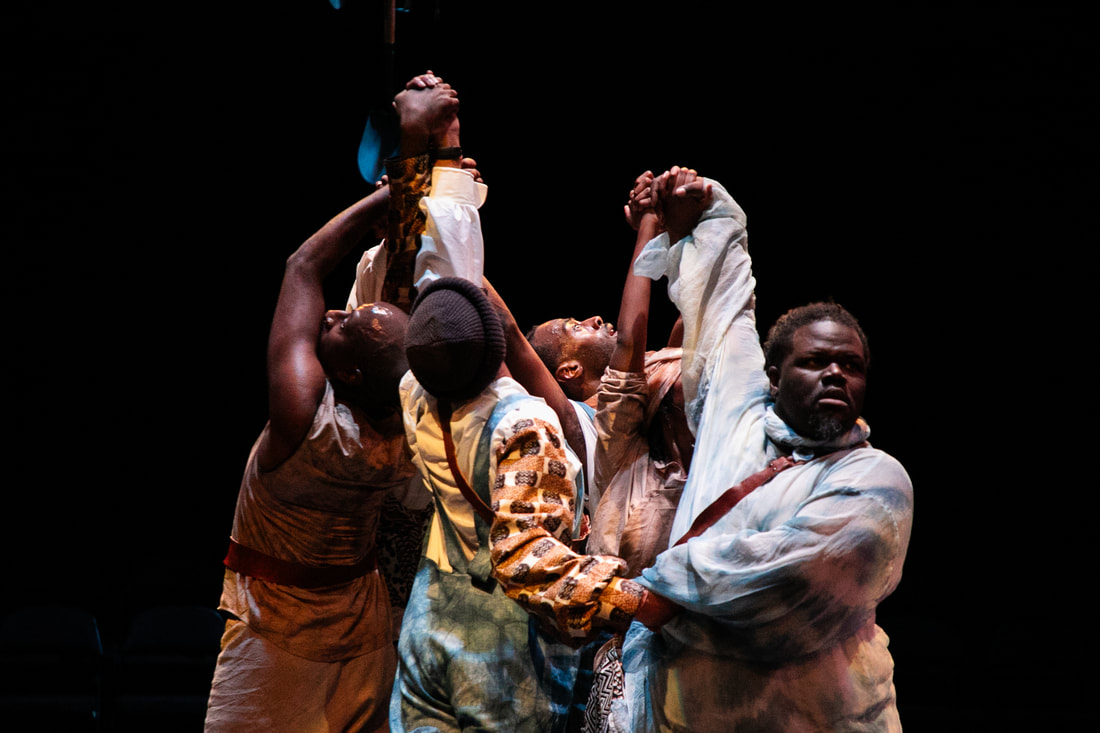
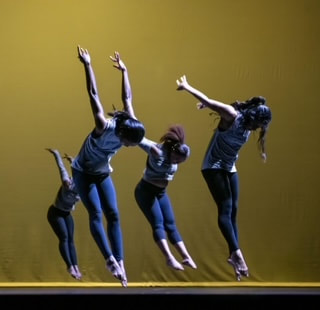
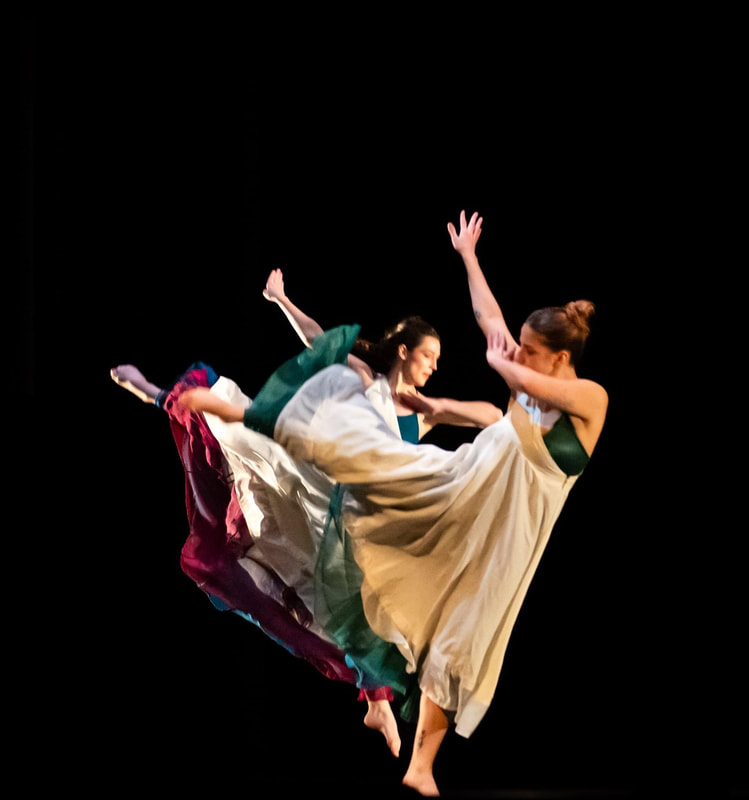
Use of space by the ensemble is vital, providing texture to the already lush work, this includes travelling patterns, diagonal lines, and seamless transitions. The movement vocabulary was emblematic of the powerful themes being addressed and their bodies accepted the challenge. We observed fighting/protesting; connection/support/community; playfulness; struggle; fusion of dance forms, and deconstruction of such forms. The vocalization, monologue’s, interviews, and sound scape offered a whirlwind of emotions. There were moments of loss, crisis, happiness, sadness, calm, intensity, reflection, searching, and clarity. Orlando’s shout of FREEDOM was a reminder of our ancestors and their never-ending philosophy that no matter what the hardship, we shall overcome or that “Weeping may endure for the night but joy cometh in the morning*****.”
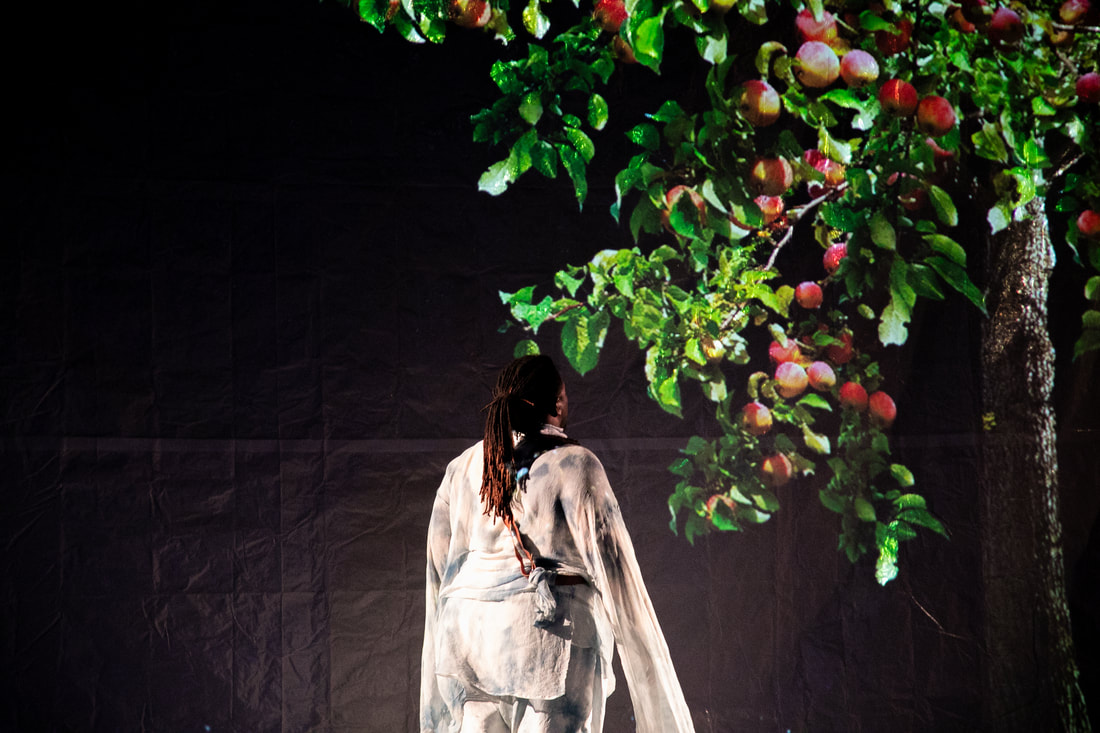
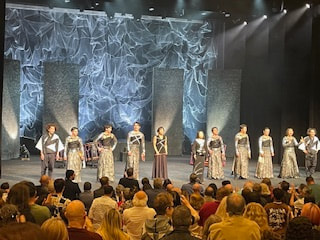
The end of the work demonstrates this analogy. As the dancers move through the space, the image on the screen is bright displaying luxurious and plush greenery. This is the first time I can see the image clearly. There is excitement in their bodies as well as in the chanting and singing. I hear them say “nourishment” and “healing” as they circle the parameter of the stage. They make several rotations. Their arms reach up to the heavens as if they are picking fruit. Are they celebrating a harvest? Are they reaping the fruits of their labor (physical, emotional, and psychological)? The ancestor/mediator/interlocutor enters the group, participating in the round. As the dancers exit the stage one by one, the lights dim and an image of an opulent apple tree emerges, bearing sumptuous fruit beaming in the spotlight. He reaches upward towards the fruit, picks one, sits on the floor, and bites into it. I surmise that visual articulates that at the end, regardless of everything we endure, we can still bear fruit.
DAT (D.A.T.) WUZ FRIGGIN' FABULOUS!!
End Notes
* This dance form contains elements of classical Odissi, vinyasa yoga, the eastern Indian martial art form Chhau and new movements which bring these forms into a modern, activist setting” (https://themacweekly.com/76632/arts/ananya-dance-theatre-performing-decolonized-contemporary-dance/)
**‘Ekonkon’ dance: “The Ekon Kon portrays growing food from the Jola tribe of Southern Senegal. The Ekon Kon dance includes common aspects of Africanist aesthetics, and the Jola people embedded the wisdom of planting to harvest within the dance” (Hunter and Valentine 2023, 5).
*** Dance from Mali
**** Agricultural dance from Haiti
*****Psalm 30:5
There was post performance discussion facilitated by Dr. Mary Rodriguez where they audience was asked to share “what this dance meant to. What did you feel? What did it bring to you?”
Choreography by Orlando and Ricarrdo Hunter-Valentine in collaboration with the dancers: Kenneth Eaddy, Isaiah Harris, A .Raheim White, and Kierra ‘Kiki’ Williams
Photographer: Ky Smiley
References
Burt, Rosel. 2024. “Black on Earth” Interactive MFA Performance Combines Dance, Agriculture, Technology, and More.” The Lantern. https://www.thelantern.com/2024/02/black-on-earth-interactive-mfa-performance-combines-dance-agriculture-technology-and-more/
Harris, Melanie L. 2017. “Ecowomanism 101: Method and Approaches.” Essay in Ecowomanism: Earth-Honoring Faiths and African American Women, 13-59. Orbis.
Hunter Jr., Orlando Zane and Ricarrdo Valentine. 2023. “Black on Earth.” Master’s Thesis. The Ohio State University.
I was grateful to watch the live streamed event that took place in Barnett Theatre in Sullivan Hall on the campus of The Ohio State University on February 17th where the couple Orlando Hunter-Valentine and Ricarrdo Hunter-Valentine are 3rd year students in the Master of Fine Arts (MFA) Dance Program. I guess I’m late to the party but is this a thing? Are MFA thesis concerts live streamed now? I guess when you have celebrity status and you’re “the 2020 Bessies Honoree…” (https://www.bhooddance.com/new-page-82) they are!
Though I would have loved to see the show live and participate in the interactive experience, I was happy to sit in the comfort of my home, in my pajamas watching the performance being streamed on YouTube. I hear that there was going to be some of Orlando's ‘“Fierce Love Fried Corn”…[served pre show and that there was also a] digitally led ‘Ekonkon’ dance which originates from the Jola people of Senegal and is associated with harvest time…” (Burt 2024) taking place.
The Hunter-Valentine collaboration offers a lot of firsts (can’t get into it here) but let’s start with the term that they coined “D.A.T.”. “D.A.T is an intersectional praxis that embodies stories about the earth through the African diasporic movement, transferring embodied agriculture knowledge and generating innovative, technologically immersive environments” (Hunter and Valentine 2023). Simply, the work addresses Black farmers life experiences through dance, agriculture, and technology (D.A.T.). “Black on Earth” centers the stories of Black famers and educates the viewer on the challenges that they endure ranging from racism, lack of access, gender politics, and a host of other inequities. The project also builds off their experiences with dance and agriculture as residents in New York City “Thinking of the ways that Black people have created resilience and sustained ourselves through farming and agricultural practices…” (Burt 2024).
The Hunter-Valentine's embark on this journey of storytelling through interdisciplinary arts which features dance, theater, photography, singing, sculpture, agriculture, music and ecomemory which is “collective and individual memory of the earth and relationship to and with the earth” (Harris 2021, 28). This concept is based within ecowomanism which is a framework “…that signals the importance of developing an interdisciplinary approach and method to doing environmental justice work” (Harris 2021, 9). This is the philosophy which grounds their work.
The Dance
As audience members entered the space physically or virtually, we witnessed a man seated next to a steel bucket stage right, dressed in white, flailing his hands. The draping white sleeves of his shirt offered various interpretations. Was he cleansing the space, fanning himself, or conjuring the ancestors? He wore a cross body bag. Is he going to plant seeds? He engages with the bucket reaching in to touch the water. There is also reverence, spirituality, and worship. The sounds of roosters, cows, birds chirping, and various other animals on a farm along with distorted and echoing sounds of water creating melodies permeating the space. This is evidence of the collaboration with haptic and immersive audio design technician Jessica Rajko.
The ancestor/mediator/interlocutor is cued. He departs, and the ensemble enters dressed for the fields with their own buckets, forming a diagonal line from upstage right to downstage left. Two dancers are holding a sculpture of a tree limb that hovers over them like a hut. The ensemble begins a dialogue of thanks, “thank you for these tools.” Then they begin a call and response singing “thank you for these hands, these healing hands.”
Interspersed between the movement are very poignant excerpts of interviews projected on the screen of the various farmers that were interviewed. There were also monologues performed by the dancers addressing pertinent themes. Some of the text sound is distorted and I struggled to hear what the interviewees and the dancers were saying. I am sure this was a streaming/technical issue; it did not take away from the performance.
Images used in the work were taken by Ricardo and are just as intricate and vital to the piece. He captures distortions and abstractions of the fields and farms. Rich shades of greens and blues morph into various designs that mimic stencil art designs, sometimes reminding me of 70’s psychedelic art.
The movement vocabulary included gestures of sowing and planting; the most familiar image was the visual of the dancers holding the buckets on their heads which is a familiar image in marketplaces and rural towns and countries in the African Diaspora. There was a very clear demonstration of various movement techniques and aesthetics such as ‘Yorchha*,’ ‘Ekonkon**’ dance, “Chiwara***, Mayí****, …amongst others, as motifs through lining ancestral agricultural wisdom held in the body” (Hunter and Valentine 2023), Black social dance and Western contemporary.
Use of space by the ensemble is vital, providing texture to the already lush work, this includes travelling patterns, diagonal lines, and seamless transitions. The movement vocabulary was emblematic of the powerful themes being addressed and their bodies accepted the challenge. We observed fighting/protesting; connection/support/community; playfulness; struggle; fusion of dance forms, and deconstruction of such forms. The vocalization, monologue’s, interviews, and sound scape offered a whirlwind of emotions. There were moments of loss, crisis, happiness, sadness, calm, intensity, reflection, searching, and clarity. Orlando’s shout of FREEDOM was a reminder of our ancestors and their never-ending philosophy that no matter what the hardship, we shall overcome or that “Weeping may endure for the night but joy cometh in the morning*****.”
The end of the work demonstrates this analogy. As the dancers move through the space, the image on the screen is bright displaying luxurious and plush greenery. This is the first time I can see the image clearly. There is excitement in their bodies as well as in the chanting and singing. I hear them say “nourishment” and “healing” as they circle the parameter of the stage. They make several rotations. Their arms reach up to the heavens as if they are picking fruit. Are they celebrating a harvest? Are they reaping the fruits of their labor (physical, emotional, and psychological)? The ancestor/mediator/interlocutor enters the group, participating in the round. As the dancers exit the stage one by one, the lights dim and an image of an opulent apple tree emerges, bearing sumptuous fruit beaming in the spotlight. He reaches upward towards the fruit, picks one, sits on the floor, and bites into it. I surmise that visual articulates that at the end, regardless of everything we endure, we can still bear fruit.
DAT (D.A.T.) WUZ FRIGGIN' FABULOUS!!
End Notes
* This dance form contains elements of classical Odissi, vinyasa yoga, the eastern Indian martial art form Chhau and new movements which bring these forms into a modern, activist setting” (https://themacweekly.com/76632/arts/ananya-dance-theatre-performing-decolonized-contemporary-dance/)
**‘Ekonkon’ dance: “The Ekon Kon portrays growing food from the Jola tribe of Southern Senegal. The Ekon Kon dance includes common aspects of Africanist aesthetics, and the Jola people embedded the wisdom of planting to harvest within the dance” (Hunter and Valentine 2023, 5).
*** Dance from Mali
**** Agricultural dance from Haiti
*****Psalm 30:5
There was post performance discussion facilitated by Dr. Mary Rodriguez where they audience was asked to share “what this dance meant to. What did you feel? What did it bring to you?”
Choreography by Orlando and Ricarrdo Hunter-Valentine in collaboration with the dancers: Kenneth Eaddy, Isaiah Harris, A .Raheim White, and Kierra ‘Kiki’ Williams
Photographer: Ky Smiley
References
Burt, Rosel. 2024. “Black on Earth” Interactive MFA Performance Combines Dance, Agriculture, Technology, and More.” The Lantern. https://www.thelantern.com/2024/02/black-on-earth-interactive-mfa-performance-combines-dance-agriculture-technology-and-more/
Harris, Melanie L. 2017. “Ecowomanism 101: Method and Approaches.” Essay in Ecowomanism: Earth-Honoring Faiths and African American Women, 13-59. Orbis.
Hunter Jr., Orlando Zane and Ricarrdo Valentine. 2023. “Black on Earth.” Master’s Thesis. The Ohio State University.
 RSS Feed