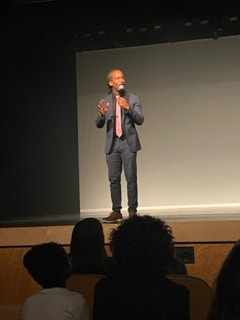
On Saturday, my son and I attended the Diva Arts annual “sneak peek” at the Lou Rawls Center for the Performing Arts at Florida Memorial University. The show was hosted by local comedian Marcelleous “Chello” Davis; this element is always refreshing and such a great representation of Black culture while in a Black space at a historically Black university. Now, with that said, “Chello” had to address theatre etiquette; I mean we were not at a Miami Heat game but that’s another conversation.
I had no intention of writing anything this evening; I just wanted to enjoy the performance as a patron but as the dancers showcased their artistry and talent, many thoughts arose. As I watched the Darlings, Dolls, Junior Repertory, Repertory I and Repertory II demonstrate technique in creative movement, contemporary, tap, hip hop, jazz, and ballet, I knew that I needed to make a statement in terms of the importance of quality dance pedagogy, visibility/invisibility and erasure, supporting Black (dance) businesses, the centering Black and Brown bodies and culture, and the politics surrounding these claims.
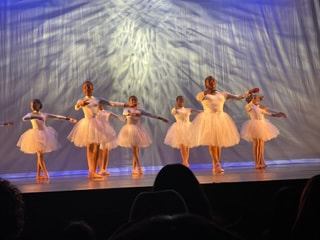
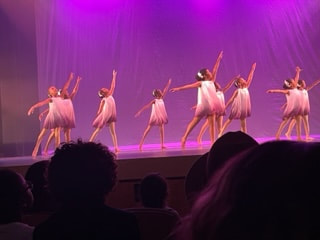
The babies (darlings and dolls) were cute and drew all the oohs and aahs from the audience but babayyyyyyy! THE (insert clap) KIDS (insert clap) WERE (insert clap) TWIRL (insert clap) ING! Lines, legs, levitation, layouts, linear/curvilinear, low/high, contractions, twerking, pirouettes, flap ball change, assemblé, and more and more and more. I didn’t see any dancehall or Carnival movement but I’ll wait. The costume design for each piece accentuated the beautiful choreography which demonstrated the thoughtfulness and intentionality of the choreographers and the costume designer. Light designer maestro @Apon Nichols added another dimension to the production, creating depth and intimacy as well as sunshine and joy as necessary for each piece.
Shannon Haynes, the CEO and artistic director has been in operation for 26 years; she has dedicated her life to dance education, mentorship, and youth empowerment through the arts. This is evidenced in the quality dance production that I experienced which is a demonstration of the professionalism and expertise of staff and administration and the support of the parents. Her alumni roster is impeccable. Former students have achieved exceptional status in many disciplines which is a testament to the profound effects of the discipline of dance and the arts at large. Some are professional dancers having worked with Alvin Ailey, The Lion King, Beyonce, Janet Jackson, Rihanna and other international artists, others are attorneys, entrepreneurs, dance studio owners, real estate agents, educators, and are now mothers bringing their daughters to receive quality dance training as second-generation Diva Arts dancers.
That evening, I noticed an alumni parent in the audience, @Dr. Angela Spencer. Dr. Spencer comments on ALL my reviews and I see her at local performances. This is beautiful and a wonderful example of the importance of dance education and exposure and how its benefits are multilayered, this includes building lifelong arts patron, one who is informed and active and can speak up on the needs of the culture and community which leads me to my next point.
Diva Arts should be funded as a top tier applicant from our local funding agencies, and unfortunately they are not. Their community engagement and contributions are bar none. They currently offer year-round quality training in “commercial, concert, competition or recreational dance” through an afterschool program, evening classes, and Arts and Academics for Excellence, Youth Summer Camp. “Diva Arts Dance has served more than 5000 children and [the] program participants have performed before more than 150,000 community spectators in the Miami Dade and Broward areas. Over the years, Diva Arts has [been] awarded more than $100,000 in scholarships and [has] mentored more than 1000 youth” (https://divaartsdancestudio.com/diva_about-us.htm). DO BETTER LOCAL SOUTH FLORIDA FUNDING AGENCIES!!
Of course, Diva Arts is not the Black dance studio in South Florida doing great work for the culture, but the problem is LACK OF SUPPORT amongst the Black dance community. You should not be existing in a silo and YOU ARE NOT/SHOULD NOT be in competition with each other. The battle is never among us. I can assure you that the dragon that needs to be slayed is much larger than you/we/us. We must come together to fight the institutions and systems that seek to erase and destroy Black culture and its impact in the community; and that is what is occurring in South Florida through poor and inadequate grant funding, little to no representation on the boards that make decisions concerning Black culture, and the lack of dance writing which serves to build an archive for the community. It doesn’t matter how well the kids twirl and how many tickets you sell, if you are not being funded adequately to support your efforts and there is no documentation about what you are doing, it never happened therefore you don’t exit. These are the concerns that Florida Black Dance Artists Organization (https://www.floridablackdance.com/) addresses. Let’s come together to support each other and be the agents of change that is so desperately needed.
Image 1: “Strings”; Choreographer: Anita Hope; Ballet Jr. Rep
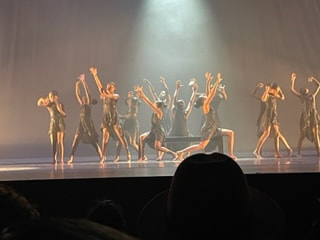
Image 2: “Lyric Waltz”: Choreographer: Anita Hope; Ballet Dolls
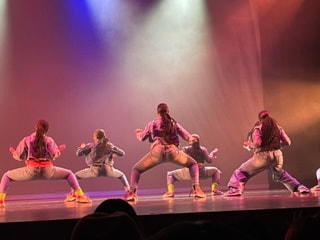
Image 3: “Shaking and Baking”: Choreographer: Ralph Cummings; Hip Hop Rep 2
Image 4: “Fly Before You Fall”: Choreographers: Nia McClain/Jamie Hampton; Contemporary Jr. Rep
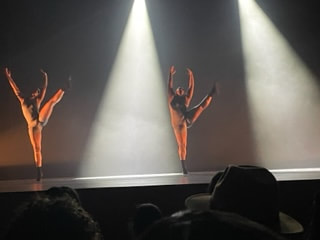
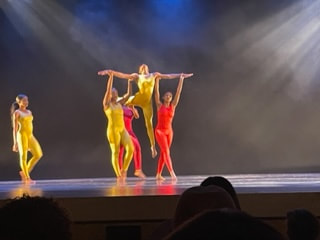
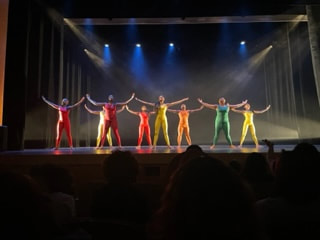
Image 5: “Gravity”: Choreographer Trenard Mobely (Late)/Restaged by Shannon Haynes: Contemporary Rep 1
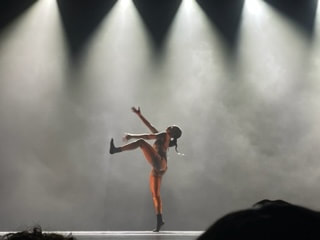
Image 6: “Gravity”: Choreographer Trenard Mobely (Late)/Restaged by Shannon Haynes; Contemporary Rep 1
Image 7: “Whip My Hair”: Choreographers: Nia McClain/Jamie Hampton/Kai Ricketts; Hip Hop Darlings
Image 8: “Surrender”: Choreographer: Troy Powell/Restaged by Shannon Haynes; Contemporary Rep 1
Image 9 : “Surrender”: Choreographer: Troy Powell/Restaged by Shannon Haynes; Contemporary Rep 1
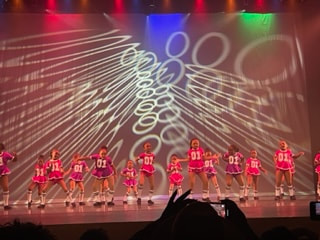
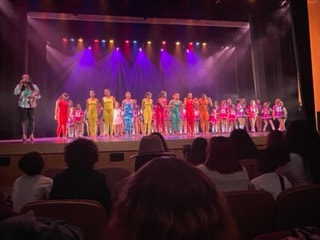
Image 10: Diva Arts Dancers
Image 12: Host: Chello Davis
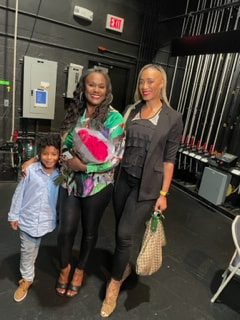
Image 14: Tiago, Shannon Haynes, and A’Keitha Carey
I had no intention of writing anything this evening; I just wanted to enjoy the performance as a patron but as the dancers showcased their artistry and talent, many thoughts arose. As I watched the Darlings, Dolls, Junior Repertory, Repertory I and Repertory II demonstrate technique in creative movement, contemporary, tap, hip hop, jazz, and ballet, I knew that I needed to make a statement in terms of the importance of quality dance pedagogy, visibility/invisibility and erasure, supporting Black (dance) businesses, the centering Black and Brown bodies and culture, and the politics surrounding these claims.
The babies (darlings and dolls) were cute and drew all the oohs and aahs from the audience but babayyyyyyy! THE (insert clap) KIDS (insert clap) WERE (insert clap) TWIRL (insert clap) ING! Lines, legs, levitation, layouts, linear/curvilinear, low/high, contractions, twerking, pirouettes, flap ball change, assemblé, and more and more and more. I didn’t see any dancehall or Carnival movement but I’ll wait. The costume design for each piece accentuated the beautiful choreography which demonstrated the thoughtfulness and intentionality of the choreographers and the costume designer. Light designer maestro @Apon Nichols added another dimension to the production, creating depth and intimacy as well as sunshine and joy as necessary for each piece.
Shannon Haynes, the CEO and artistic director has been in operation for 26 years; she has dedicated her life to dance education, mentorship, and youth empowerment through the arts. This is evidenced in the quality dance production that I experienced which is a demonstration of the professionalism and expertise of staff and administration and the support of the parents. Her alumni roster is impeccable. Former students have achieved exceptional status in many disciplines which is a testament to the profound effects of the discipline of dance and the arts at large. Some are professional dancers having worked with Alvin Ailey, The Lion King, Beyonce, Janet Jackson, Rihanna and other international artists, others are attorneys, entrepreneurs, dance studio owners, real estate agents, educators, and are now mothers bringing their daughters to receive quality dance training as second-generation Diva Arts dancers.
That evening, I noticed an alumni parent in the audience, @Dr. Angela Spencer. Dr. Spencer comments on ALL my reviews and I see her at local performances. This is beautiful and a wonderful example of the importance of dance education and exposure and how its benefits are multilayered, this includes building lifelong arts patron, one who is informed and active and can speak up on the needs of the culture and community which leads me to my next point.
Diva Arts should be funded as a top tier applicant from our local funding agencies, and unfortunately they are not. Their community engagement and contributions are bar none. They currently offer year-round quality training in “commercial, concert, competition or recreational dance” through an afterschool program, evening classes, and Arts and Academics for Excellence, Youth Summer Camp. “Diva Arts Dance has served more than 5000 children and [the] program participants have performed before more than 150,000 community spectators in the Miami Dade and Broward areas. Over the years, Diva Arts has [been] awarded more than $100,000 in scholarships and [has] mentored more than 1000 youth” (https://divaartsdancestudio.com/diva_about-us.htm). DO BETTER LOCAL SOUTH FLORIDA FUNDING AGENCIES!!
Of course, Diva Arts is not the Black dance studio in South Florida doing great work for the culture, but the problem is LACK OF SUPPORT amongst the Black dance community. You should not be existing in a silo and YOU ARE NOT/SHOULD NOT be in competition with each other. The battle is never among us. I can assure you that the dragon that needs to be slayed is much larger than you/we/us. We must come together to fight the institutions and systems that seek to erase and destroy Black culture and its impact in the community; and that is what is occurring in South Florida through poor and inadequate grant funding, little to no representation on the boards that make decisions concerning Black culture, and the lack of dance writing which serves to build an archive for the community. It doesn’t matter how well the kids twirl and how many tickets you sell, if you are not being funded adequately to support your efforts and there is no documentation about what you are doing, it never happened therefore you don’t exit. These are the concerns that Florida Black Dance Artists Organization (https://www.floridablackdance.com/) addresses. Let’s come together to support each other and be the agents of change that is so desperately needed.
Image 1: “Strings”; Choreographer: Anita Hope; Ballet Jr. Rep
Image 2: “Lyric Waltz”: Choreographer: Anita Hope; Ballet Dolls
Image 3: “Shaking and Baking”: Choreographer: Ralph Cummings; Hip Hop Rep 2
Image 4: “Fly Before You Fall”: Choreographers: Nia McClain/Jamie Hampton; Contemporary Jr. Rep
Image 5: “Gravity”: Choreographer Trenard Mobely (Late)/Restaged by Shannon Haynes: Contemporary Rep 1
Image 6: “Gravity”: Choreographer Trenard Mobely (Late)/Restaged by Shannon Haynes; Contemporary Rep 1
Image 7: “Whip My Hair”: Choreographers: Nia McClain/Jamie Hampton/Kai Ricketts; Hip Hop Darlings
Image 8: “Surrender”: Choreographer: Troy Powell/Restaged by Shannon Haynes; Contemporary Rep 1
Image 9 : “Surrender”: Choreographer: Troy Powell/Restaged by Shannon Haynes; Contemporary Rep 1
Image 10: Diva Arts Dancers
Image 12: Host: Chello Davis
Image 14: Tiago, Shannon Haynes, and A’Keitha Carey
 RSS Feed